


Celebrating 10 Years of 'Train to Busan': 7 Essential Korean Horror Films

By Shauna Bushe - July 25, 2026
A decade ago, Train to Busan rampaged on our screens, redefining what a zombie film could be. It further proved that Korean Horror isn’t the type of genre to pull its punches. By weaponizing grief, fractured family dynamics and crisis of faith, South Korean filmmakers wrap these profound emotional stakes inside nerve shredding anxiety and haunting imagery. Whether the threats are supernatural, human or otherworldly, the genre possesses a remarkable talent for terror, driven by a relentless energy that does not slow down.
1 The Wailing (2016) dir, Na Hong-jin
Blurring the lines between crime thriller, supernatural horror and psychological nightmare, The Wailing slowly builds an overwhelming sense of dread. Rather than relying on constant jump scares, it lets uncertainty consume both its characters and the audience. Every answer seems to create another question, making its haunting atmosphere just as unsettling as its terrifying imagery.
2 Gonjiam: Haunted Asylum (2018) dir, Jung Bum-shik
Found footage often struggles to feel fresh, but Gonjiam transforms familiar techniques into something genuinely bone-chilling. By trapping its characters inside an abandoned psychiatric hospital, it steadily escalates from playful ghost hunting into full-scale panic.

3 I Saw the Devil (2010) dir, Kim Jee-woon.
While leaning heavily into thriller territory, I Saw the Devil delivers horror through its pure violence and moral collapse. What begins as a revenge story evolves into a devastating examination of obsession, asking whether justice is worth pursuing when it slowly destroys the person seeking it. Brutal, relentless and emotionally exhausting, it refuses easy answers.
4 A Tale of Two Sisters (2003) dir, Kim Jee-woon
Elegant, tragic and deeply unsettling, this gothic masterpiece explores trauma through a chilling family dynamic. Beautiful production design contrasts with mounting psychological horror, creating an experience where every hallway and shadow feels alive. It's a film that rewards repeat viewings, revealing new emotional layers each time.
5 Thirst (2009) dir, Park Chan-wook
This unconventional vampire story transforms familiar mythology into an intimate character study driven by faith and temptation. Rather than focusing purely on bloodshed, it explores the consequences of giving in to one's darkest impulses. Romantic, disturbing and unexpectedly tragic, it offers one of horror's most unique takes on vampirism.
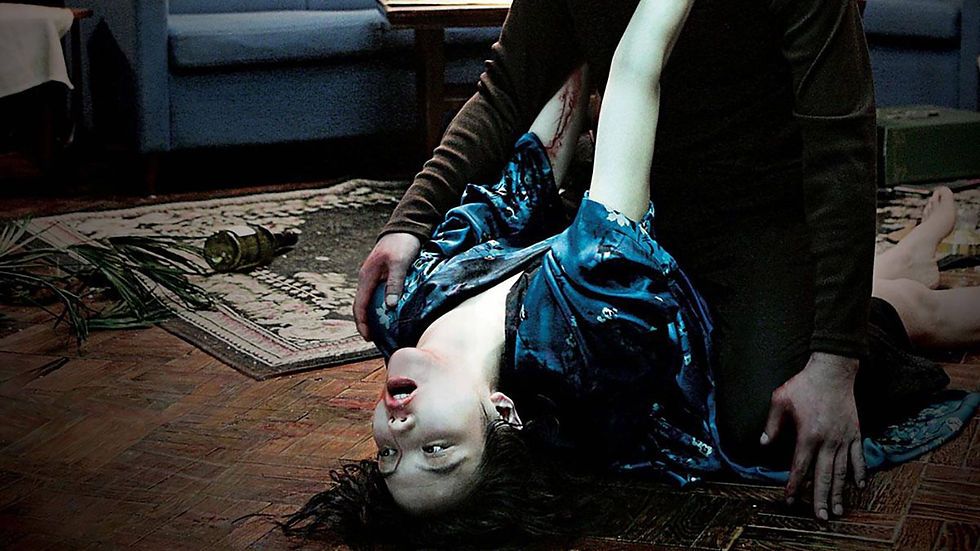
6 Old Boy (2003) dir, Park Chan-wook
Not every nightmare wears the face of a monster. Oldboy channels horror through psychological torment, brutal violence and one of cinema's most unforgettable revenge stories. Every reveal peels back another layer of misery, forcing both its protagonist and the audience to confront increasingly devastating truths. While it exists outside conventional horror, its emotional brutality and lingering sense of dread make it a natural companion to Korean horror's darkest and most uncompromising works.
7 The Host (2006) dir, Bong Joon-ho
While its monster provides unforgettable thrills, the real strength lies in its dysfunctional family desperately trying to save one of their own. Equal parts horror, satire and emotional drama, it demonstrates how Korean filmmakers can seamlessly shift between humour, tragedy and suspense without losing momentum.
Ultimately, Korean horror has earned its reputation because it understands that the most memorable scares aren't simply loud or shocking. Monsters, ghosts and killers may draw audiences in, but the humanity beneath the horror keeps these films alive. As Train to Busan celebrates its 10th anniversary, it's the perfect reminder that Korean horror continues to set the benchmark for genre filmmaking, delivering stories that are as emotionally disturbing as they are unforgettable.
For more features, reviews, and deep dives into film and TV, keep it locked to Film Focus Online.


