


'Elle' Review: A Fun Return to Pink, But Was It Really Necessary?

By Romey Norton - July 7, 2026
Hollywood has always loved a sure thing. Why risk investing in an original idea when you can revisit a beloved character, dust off an established franchise, and introduce it to a new generation? It's a formula that studios have relied on for decades, and increasingly so in the streaming era. The latest example is Elle, Prime Video's prequel series to Legally Blonde, which takes audiences back to the world of Elle Woods before she became the iconic Harvard Law student who taught us all that intelligence and style aren't mutually exclusive.
The question isn't whether Elle is entertaining. The question is whether it needed to exist at all. With the hit film also being a beloved musical, when does content just become flagging a dead script? I suppose Disney Studios would argue, never.
For anyone who grew up with Legally Blonde, the original film remains one of the defining comedies of the early 2000s. Reese Witherspoon's performance transformed Elle Woods into a cultural icon, while the film itself delivered a surprisingly sharp message about stereotypes, ambition, and self-belief beneath all the pink outfits and perfectly coordinated accessories.
Elle attempts to explore the character before those events, offering viewers a glimpse into her younger years and the experiences that shaped her into the woman audiences would eventually come to love. And to its credit, the series is fun, but it lacks the emotional depth and freshness that justifies its need to be made. It becomes repetitive, and at times it doesn’t serve the original film's timeline.
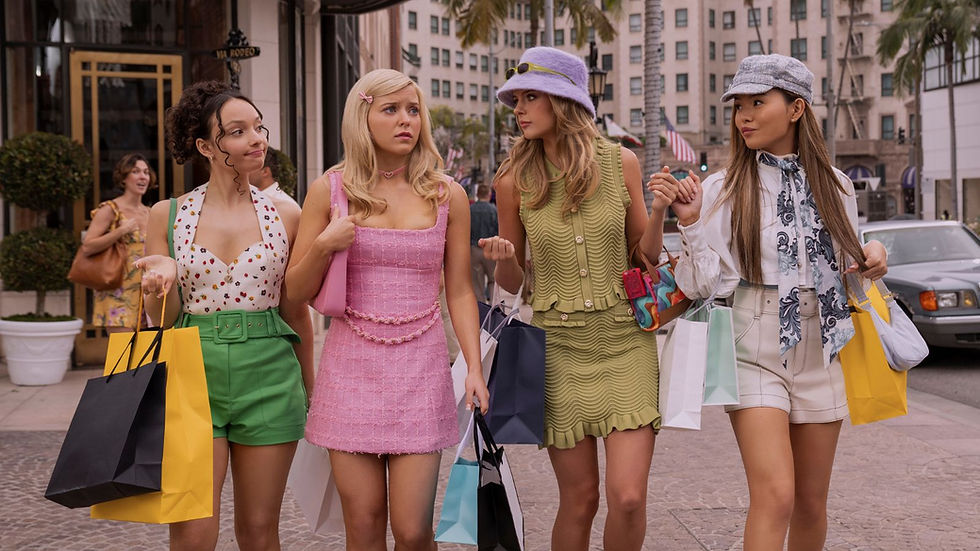
The production embraces the bright, candy-coloured aesthetic that fans expect. Every frame feels dipped in pink, every outfit carefully curated, and every scene carries the same bubbly energy that made the films so appealing. The cast clearly understands the tone, leaning into the comedy without turning the material into parody.
There's a lightness to the storytelling that makes the series easy to binge. Episodes move quickly, the humour lands more often than not, and there's enough charm to keep viewers engaged even when the narrative occasionally feels slight.
For younger viewers discovering the character for the first time, Elle will likely work exactly as intended. Gen Z audiences who have little connection to the 2001 film may find themselves drawn to the series' social media-friendly aesthetic, fast-paced storytelling, and contemporary approach to teenage life. Then again, they might hate it as it will not resonate with them as a generation.
For everyone else, however, the experience may feel somewhat redundant. The original Legally Blonde already told us everything we needed to know about Elle Woods. Part of the character's appeal was the mystery of how she became so unapologetically herself. By filling in every gap, Elle occasionally falls into the trap that affects many prequels: explaining things that never really required explanation.

There's also a broader issue at play. As enjoyable as Elle can be, it serves as another reminder of the industry's increasing reluctance to take creative risks. Audiences are constantly told they want new characters and recognisable, relatable stories, so one can't help wondering whether the resources behind Elle might have been better spent developing a completely original story aimed at the same demographic. After all, if studios want to write for Gen Z, why not actually create something for Gen Z? Rather than revisiting characters created more than two decades ago, perhaps younger audiences deserve stories that belong entirely to them.
In the end, Elle is much like the colour that defines it: bright, cheerful, impossible to ignore, and not necessarily to everyone's taste. It's a perfectly enjoyable return to a beloved world, even if it never fully justifies why we needed to go back there in the first place.
For viewers who love pink and stories built for the social media generation, Elle delivers exactly what's promised. For everyone else, it may feel like a fashionable detour that ultimately leads back to a question Hollywood continues to avoid: What happened to creating something new? For me, I just went back to watching the original films. They’re much more fun.
You can watch all episodes on Prime Video.

Want more series reviews? Dive into more reviews, rankings, and film conversations on our site. Explore Film Focus Online now!


