'Resident Evil' (2026): How Faithful Is Zack Cregger’s Film to the Games?
By Dan Bremner - September 27, 2026
Zack Cregger’s Resident Evil is out now in cinemas, the eighth attempt at bringing the video-game franchise to the big-screen, following Paul W.S. Anderson's panned but financially successful saga and the ill-fated Welcome to Raccoon City, which posed a more faithful retelling, but was instantly dismissed.
Despite already becoming one the most critically-acclaimed video-game adaptations so far, Cregger's Resident Evil has already split the fanbase in the most predictable way possible. One side complains it ignores decades of lore. The other side, the one that actually plays the games, notices it understands the feeling of being stuck in Raccoon City with limited ammo and a growing sense of dread. Here’s where it sticks close to the games and where it happily sets the timeline on fire.
Is Resident Evil (2026) Actually Based on the Games’ Stories?
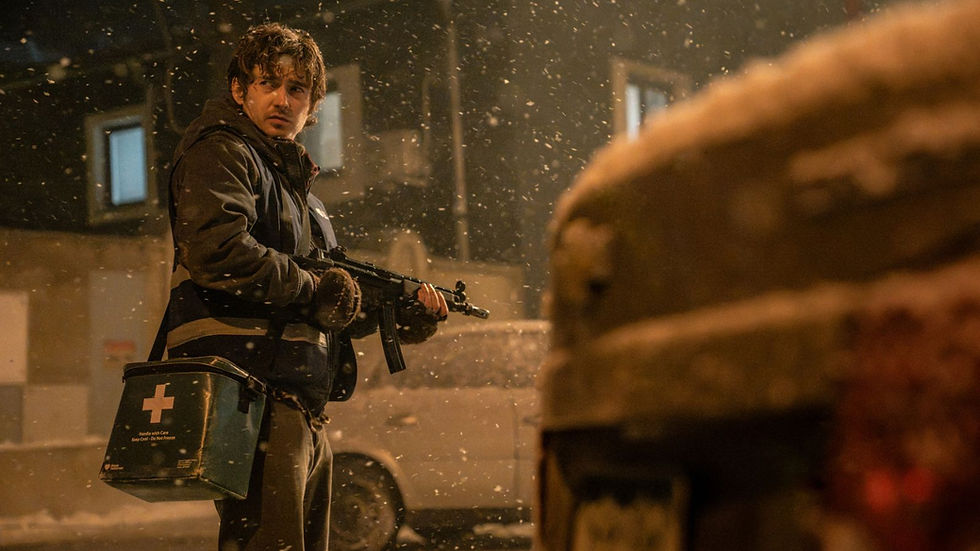
The film makes no attempt to adapt any specific game plot. There is no mansion incident, no Raccoon City outbreak told through the eyes of the S.T.A.R.S. team, and no attempt to retell Resident Evil 1, 2 or 3. Instead it follows a medical courier who drives into the wrong city on the wrong night and has to survive until morning.
It does, however, loosely sit alongside the events of Resident Evil 2. The outbreak, the rapid collapse of Raccoon City, and the general timeline line up, but the film stays on the side-lines. You get the catastrophe from the perspective of an ordinary person rather than the S.T.A.R.S. or police protagonists. The setting is also updated to a more contemporary feel while still recognisably functioning as the same doomed city. It's the same outbreak, just happening in 2026 rather than 1998.
This is both a betrayal and a relief. Lore enthusiasts will hate the lack of canonical checkpoints. Everyone else gets a clean, self-contained survival story that still sits inside the same world rules. The outbreak, the corporate negligence, the rapid collapse of the city, all of it feels consistent with the games even while the specific events are new. Cregger treats the games as a setting and a tone rather than a checklist of plot points that must be hit.
Are the Iconic Resident Evil Characters Missing?
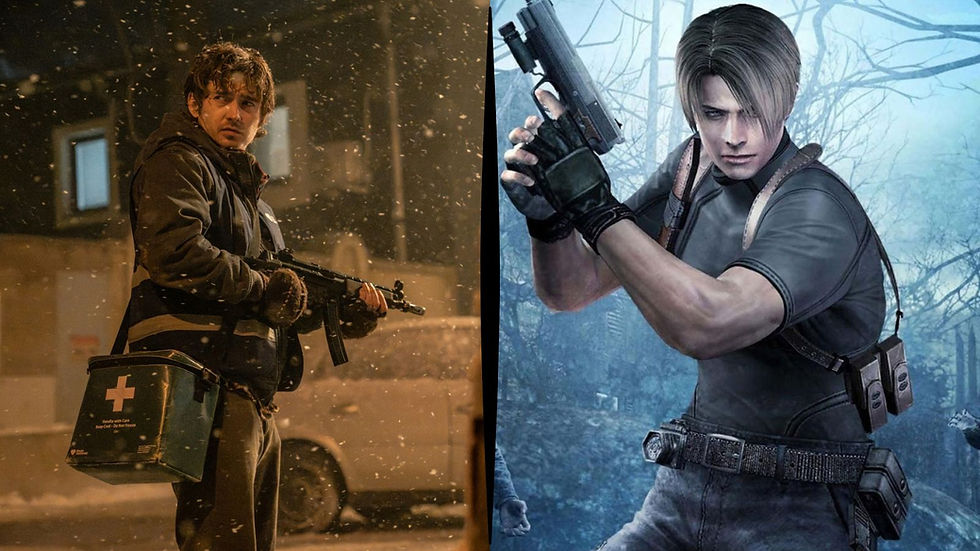
There are no Leon, Claire, Jill, or Chris cameos. The film actively avoids the usual fan-service traps. The lead is an ordinary man with no special training and no tragic backstory involving the Umbrella Corporation. Supporting characters appear and disappear according to the needs of the night rather than their future spin-off potential.

This is the biggest break from the games and also one of the smartest. The games themselves often struggle under the weight of an ever-expanding roster of superhuman survivors (especially the panned sixth game). By starting with a nobody, the film recovers the original vulnerability that the later entries gradually lost. You are not watching trained agents solve puzzles. You are watching someone try not to die. It's much closer to the soft-reboot of the franchise with Resident Evil VII: Biohazard, which was also about an everyman attempting to survive a horrifying situation.
Does Cregger Capture the Feel of Resident Evil?
This is where the film is most faithful. The sense of place with empty streets, flickering lights, the constant feeling that something is about to come around the corner is right out of the better game entries. Zach Cregger understands that the Resident Evil atmosphere is built from isolation, limited information, and the knowledge that help is not coming.
The film also keeps the slightly heightened, almost absurd tone the series has always carried. One minute you are tense. The next you are watching something so grotesque it becomes darkly funny. That tonal swing is pure Resident Evil and the film nails it, even if it can become a bit too humorous for its own good.
Does the Film Understand Survival-Horror?
Here the film is almost religiously faithful to the experience of playing the games. Ammo is limited. Every shot matters. Injuries do not reset between scenes. Doors are locked, padlocks are a genuine obstacle, and the simple act of searching a room for one more clip of ammunition carries tension.
Most live-action adaptations forget that the “horror” in survival-horror comes from scarcity and permanence of damage. Cregger does not. The film makes you feel the weight of a nearly empty inventory and the consequences of a single mistake. In this respect it is closer to the spirit of the early games than any of the previous adaptations. Milla Jovovich’s Alice was never low on ammo, with Brian, on the other hand, every missed bullet is a potential disaster.
Are the Monsters Faithful to the Games?
The creatures are recognisably Resident Evil without being direct copies of specific designs. You get the infected with the more advanced mutations, and the sense that the virus is still rewriting bodies in real time. Practical effects do a lot of the work, which helps. When the film stays physical, the monsters have weight and unpleasant detail.

The one major departure is the final major creature, which tips into weightless CGI. The earlier practical work is far more convincing and far closer to the handmade grotesquery of the games. Still, the overall design language of biomechanical wrongness, body horror and the feeling that these things used to be human stays true to the series’ strengths.
So, How Faithful Is Resident Evil (2026) to the Games?
The 2026 reimagination of Resident Evil is unfaithful to the lore and surprisingly faithful to the experience of playing the games. It drops the long-running characters, ignores sacred plot points, and refuses to function as a greatest-hits montage for long-time fans. In exchange it recovers the tension, scarcity, and escalating dread that made the series work in the first place.
If you care more about timeline accuracy and cameo appearances than about the feeling of being hunted through a collapsing city with three bullets left, you will hate it. If you actually play the games and remember what they feel like when they are working, you will recognise a lot more than you expect. The film understands the difference between adapting a story and adapting a sensation. Most previous Resident Evil films never even tried.
Zach Cregger's Resident Evil is out now in cinemas. Check out our review.
For more features, reviews, and deep dives into film and TV, keep it locked to Film Focus Online.

Dan Bremner
Writer
Dan is a writer from Guildford with a love for all things genre, schlocky, and thoroughly '80s, and a part-time philanthropist.
Want your film or TV show reviewed by Dan? Contact us.