Why 'The Social Reckoning' Failed to Notify Audiences at the Box Office

By Kieran Burt - October 17, 2026
Movies - Features - Box Office
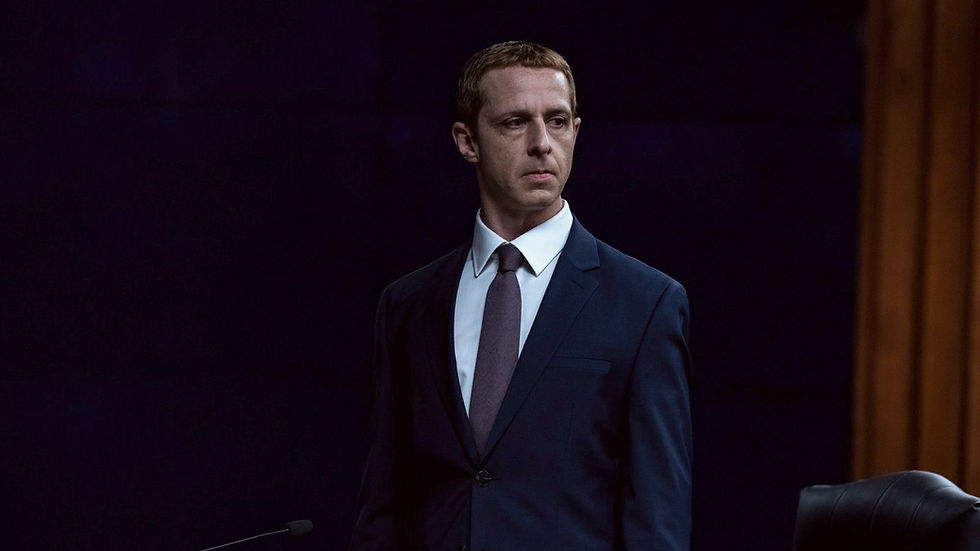
The Social Reckoning, Aaron Sorkin’s latest film and the spiritual sequel to The Social Network, covered the social media giant Facebook and took audiences through The Wall Street Journal’s investigation into the company, with whistle-blower Frances Haugen revealing secrets CEO Mark Zuckerberg wanted to keep quiet. While a pressing topic, audiences paid it little attention at the cinema, with the film only opening to $5.5 million domestically and $9 million worldwide. It’s a disappointing opening for studio Sony, though there are several reasons why the film opened so low, with poor critical reception, previous cast and crew not returning, and a warning that’s come far too late for audiences to care.
Did Poor Reviews Hurt The Social Reckoning at the Box Office?
At the time of writing, The Social Reckoning holds a rotten critics’ score of 55% on the review aggregator Rotten Tomatoes. The early critical reception was not kind to the film, which would have pushed many people away from rushing out to see it, likely instead waiting on audience word of mouth or skipping out on the film entirely. Critical reception is an important part of a film’s success, with audiences taking that into account when deciding to see a movie. For comparison, The Social Network has a critical score of 96% on Rotten Tomatoes, a rating that’s worlds apart.
One common criticism throughout critical reviews was the lament that The Social Network director David Fincher and Zuckerberg actor Jesse Eisenberg didn’t return for The Social Reckoning. This too would have influenced audience decision not to see the film, as Fincher’s style and Eisenberg’s portrayal of Zuckerberg as an unlikely underdog had audiences falling in love with the relatively dry subject matter. While both The Social Network and The Social Reckoning were written by Sorkin and had cinematography by Jeff Cronenweth, The Social Reckoning lacks Fincher’s unique style and Eisenberg’s performance that enamoured audiences with The Social Network all the way back in 2010. This is why Sony sought to position the film as a companion piece to The Social Network, rather than a direct sequel, but audiences saw through that, with the inevitable comparisons doing The Social Reckoning no favours.
Has The Social Reckoning Arrived Too Late?
The time difference also did damage to audience enthusiasm. When The Social Network was released, the public were still riding the high of using Facebook, and the horrors of prolonged use of social media hadn’t reared their ugly heads. Zuckerberg was still popular, and the film positioned him as an unlikely underdog, telling the unknown story of a young Harvard student who revolutionised how people communicate with each other. Now, in 2026, public opinion of Facebook/Meta and Zuckerberg has tanked, with the many scandals. Watching the film recount the 2021 Facebook Files from The Wall Street Journal is not a positive topic, especially when audiences go to the cinema for the escapist thrill of shutting out the real world, and not reminding themselves of its worst aspects. This is embodied by those who did go out to see the film, only giving it a B-, indicating a lukewarm audience reception. The Social Reckoning has come out too late, with the filmmakers seemingly only now catching up to public sentiment.

Two other reasons that contributed to the film’s disappointing opening are streaming and the audience demographics. Streaming has altered audience behaviour forever, with certain types of films being better suited to being watched at home. According to analyst David A. Gross, author of the box office newsletter FranchiseRe, “stories about corporate intrigue, money and power have found a home on TV. They lack the cinematic qualities that excite big-screen audiences.” Indeed, The Social Reckoning lacks big action set pieces, with a large portion of the film consisting of tech concepts, percentages, and staring at computers. There’s no event-style hype, no big action. This dry topic was also skewed in its demographics, with ticket buyers were mostly older males, according to Variety. The film was R-rated in the USA, which requires anyone under 17 to be accompanied by an adult, and frankly it’s not cool to watch a film about Facebook with your parents.
What Does the Box Office Failure Mean for the Further Instalments?
While the $9 million worldwide opening isn’t what Sony would have hoped, it’s not a complete catastrophe. The film has yet to play out over the long term, and its reasonable budget of $30 million means it will likely be profitable for Sony once all ancillary revenue is counted. Those who did see the film and are hoping for another instalment are likely to be disappointed, as the low opening, poor critical and audience response, and the time it took to make The Social Reckoning will discourage Sony from greenlighting anything further, even if Meta causes another scandal worthy of a movie.

'The Social Reckoning' is out now in cinemas following its release on October 9, 2026.
For more features, reviews, and deep dives into film and TV, keep it locked to Film Focus Online.

Kieran Burt
Writer
Kieran is a freelance writer, covering entertainment news. He loves everything about the cinema - especially when it comes to Star Wars and the box office.
Want your film or TV show reviewed by Kieran? Contact us.