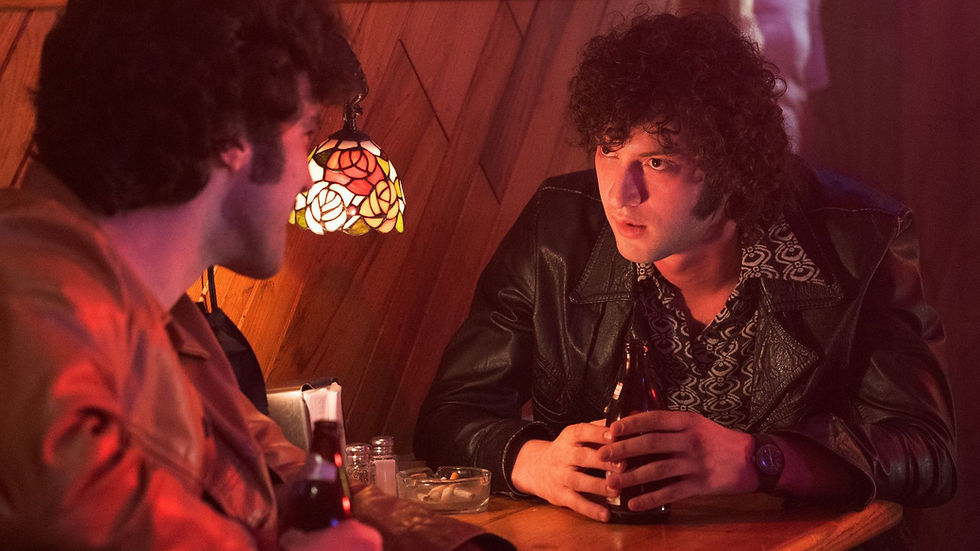
'The Last House' Review: Netflix’s New Slow Burning, Claustrophobic Psychological Nightmare
- 2 days ago
- 3 min read

By Shauna Bushe - August 8, 2026
The Last House takes the devasting trope “home invasion” and turns it into an agonizing dissection of the human psyche. By trapping a family inside their home and stretching their gruelling isolation across a 5-year timeline, the film transforms their sanctuary into an inescapable tomb.
What is The Last House about?
Following a bizarre torrential downpour, a mysterious sealant makes all doors, windows, and walls completely impenetrable. A suburban family of four, led by parents Jason (Wagner Moura) and Riley (Greta Lee), finds themselves suddenly trapped inside their home. As days turn into weeks, they must band together to survive their dwindling food and supplies while contending with psychological strain and a shadowy, danger lurking right outside.
What makes The Last House so relentless isn't just the threat waiting outside, but the slow, agonizing passage of time within the four walls. The film breaks the timeline down with devastating clarity. The first 30 days detail the frantic denial and desperation everyone is suddenly dealt. After attempting to smash windows and hack the walls, they come to realize that they’re concealed with no way of escaping. The following months showcase the grim routine they have adapted to. With water running low, food rationing becoming increasingly triggering, their panic turns into a calm defeat. Then, the subsequent years is where the house begins to rot and the bonds holding the family together begin to fray under the mass of hopelessness.
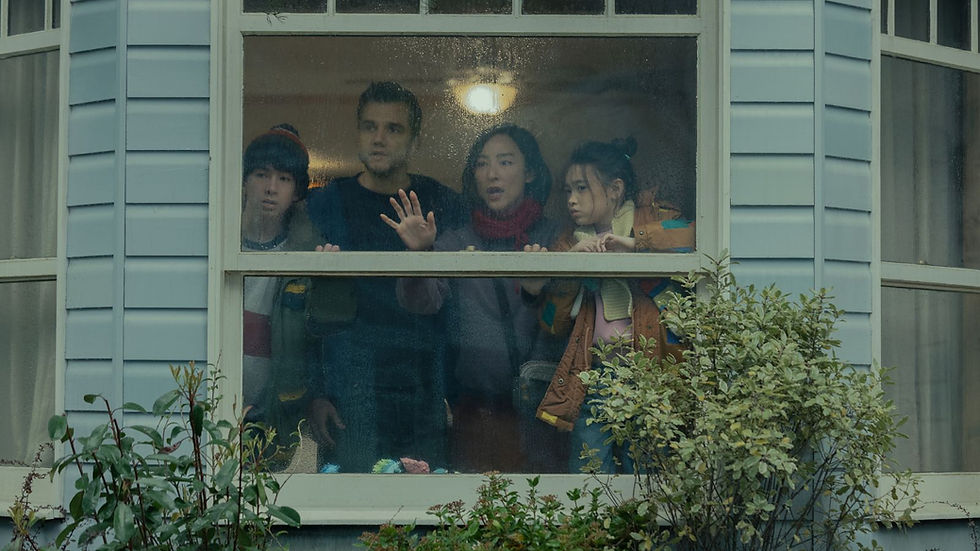
Where The Last House truly elevates its premise is through forcing modern domesticity backwards through time. Transforming comfy living spaces into damp, dirt caked farms. Setting hand crafted wire traps to hunt rodents in order to secure basic protein and building rigorous water systems to siphon clean drinking water from the outside rain. This dynamic gives the film a heavy, hauntingly dystopian tone. The modern world hasn't just ended outside; inside, history has rolled backward, making their home feel like an ancient bunker suspended in time.
The true stroke of genius in the film’s mythos is the rule governing its entity. The threat can only breach the threshold when rain falls. This simple constraint shifts the entire mood of the film. Rain ceases to be weather and becomes an arrival announcement. The softest patter on the roof triggers panic; a sudden storm means locking down the innermost rooms and listening as heavy, unnatural footsteps cross the living room floor just inches away. The tension in these sequences is suffocating, built entirely on sound design, the scraping of claws against wallpaper and the slow, agonizing click of a door handle turning.
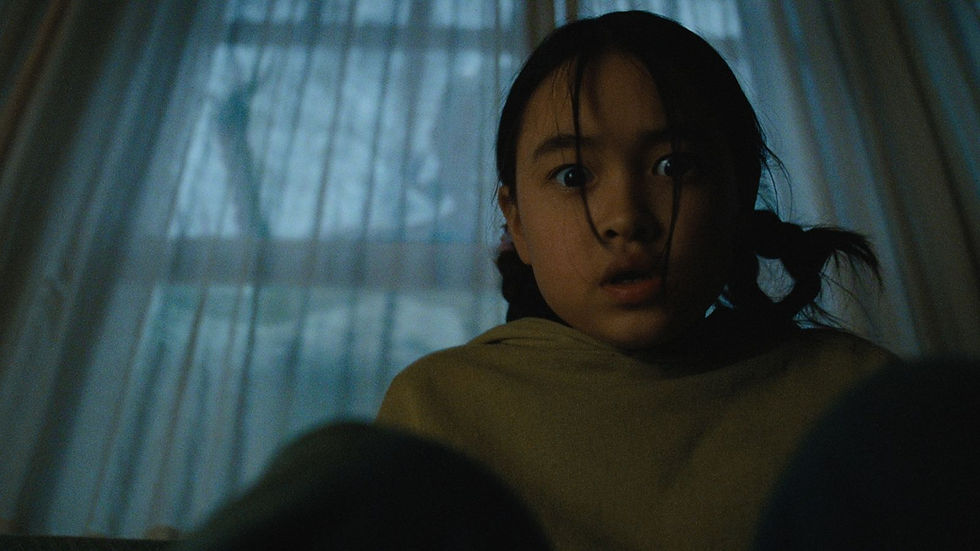
Despite its strong atmosphere, The Last House isn't without significant flaws that hold it back from true greatness. Just under two hours, the film begins to test the audience's endurance in its middle act. While the intention is to make the viewer feel the sluggish, heavy drag of a five-year sentence, the repetition of indoor farming montages and silent staring contests across dimly lit rooms causes the story to drag. Whats more, horror often thrives on the unknown, and leaving the threats exact origins or the mechanics of the sealed doors to the audience's imagination isn't inherently a bad thing. However, The Last House holds its cards almost too close to its chest.
In the end, The Last House succeeds in creating a claustrophobic nightmare, even if its bloated runtime and frustrating lack of answers keep it from perfection. The slow loss of modern identity, as we watch a family forced into primitive survival while surrounded by the rotting artifacts of the modern world, is as haunting as it gets. The Last House is a lean, deeply unnerving thriller that reminds us never to take our lives for granted.
'The Last House' released on Netflix on August 7, 2026.

Want more film reviews? Dive into more reviews, rankings, and film conversations on our site. Explore Film Focus Online now!